
What Makes Taiwan One of the Best Places to Visit in Asia Right Now
- Sonia
- Nov 23, 2025
- 5 min read
Updated: Nov 24, 2025
For many American travelers, Taiwan remains under the radar. It rarely appears on lists ranking the best places to visit in Asia, yet it offers a captivating blend of culture, nature, cuisine, and comfort. If you are mapping out travel for the year ahead, Taiwan should absolutely be on your list. It is a destination that blends incredible landscapes, rich heritage, and a level of ease that luxury travelers appreciate.

A Strategic Gateway to Asia
Taiwan’s location makes it one of the best connected regions in Asia. With multiple direct flights from Los Angeles, San Francisco, Seattle, Chicago, and other major hubs, it's far more accessible than most travelers realize. United, EVA Air, and Starlux operate reliable service and offer strong premium cabin options. EVA Air, Taiwan’s national airline and a United partner, is particularly well regarded among business class travelers. Starlux brings a modern, design driven approach to the flight experience.
Once you arrive in Taipei, you immediately notice how close Taiwan is to many top Asian destinations. Flights to Japan, South Korea, Vietnam, Thailand, and the Philippines are short and frequent. Even if Taiwan is not your final stop in Asia, it is worth spending three or four days in Taipei at the start or end of your itinerary. My pro tip is to route through Taiwan rather than through Singapore when heading to Vietnam or Thailand. It saves time and introduces you to a destination that deserves to be part of your larger Asia trip.

Understanding Taiwan’s Identity
Taiwan’s culture and identity are fascinating. The population is highly educated and the economy is strong, boosted by global leadership in technology and manufacturing. Travelers immediately notice the warmth and attentiveness that define Taiwanese hospitality. The country is also known for its progressiveness. Taiwan was the first nation in Asia to legalize same sex marriage and remains one of the most inclusive and welcoming destinations in the region.
Taiwan’s history plays a key role in shaping its cultural identity. Indigenous communities have lived on the island for thousands of years and continue to influence modern Taiwanese traditions. Chinese influence expanded during the Qing Dynasty and shaped early urban life. Japan’s rule from 1895 to 1945 introduced architecture, infrastructure, and the onsen inspired bathing culture that remains central to Taiwan’s wellness traditions. This combination creates a distinct cultural blend that differs from mainland China and gives visitors a meaningful sense of place.
Taipei Delivers Luxury, Heritage, and Outstanding Food
Our Taiwan itinerary began in Taipei at Capella Taipei, also known as the Modern Mansion. This new property has quickly become the best luxury hotel in Taipei. The hotel was designed by André Fu and incorporates thoughtful elements of Taiwanese culture. With eighty-six rooms, including twelve premier suites with balconies or private pools, the hotel is intimate and refined. The hotel provides guests various ways to connect with local artisans. Various walking tours - many complimentary and often led by the hotel general manager - take guests to artist's studios, hidden cafes, and places where guests can participate in activities alongside experts.


The dining at Capella Taipei was memorable. There are four restaurants, a patisserie-style cafe, and a three-floor bar concept called the Glasshouse. I looked forward to breakfast each morning and appreciated the private guest salon that offered snacks, pastries, and drinks throughout the day. Service throughout the stay was exceptional. On my last morning, after pulling a muscle at the gym, I arrived at breakfast in clear discomfort. Without asking for it, the staff immediately brought a heating pad and visited a nearby pharmacy to get additional remedies. These are the moments that define true five star service. Capella Taipei delivers luxury at a price point that offers remarkable value in the luxury travel market, with entry level rooms beginning around seven hundred dollars per night (in addition to the added perks I can get for clients).
During our time in Taipei we explored temples, visited two of the city’s famous night markets, spent time at cultural parks built within restored historic structures, experienced one of Taipei’s top cocktail bars, and enjoyed several memorable meals. Taipei is a world class food destination and this portion of our Taiwan trip was centered around cuisine.


A Journey South to Sun Moon Lake
After Taipei, we traveled three hours south with our guide and driver to Sun Moon Lake, one of the most scenic destinations in Taiwan. The lake sits between mountain peaks and attracts visitors from Taiwan, Japan, and China. Few Western tourists make their way here, giving it a peaceful and authentic atmosphere. We spent our days exploring lakeside temples, visiting nearby villages, and taking a boat to learn about an Indigenous community that has lived in this region for hundreds of years.


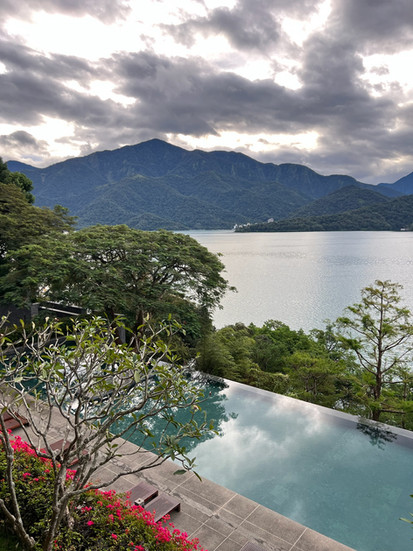


My favorite experience of the entire trip was a morning at a local tea farm and tea factory. We learned the traditional art of tea making by rolling tea leaves by hand to release moisture and aroma. After fifteen minutes of rolling, I had a new appreciation for the craftsmanship behind celebrated teas and modern machinery. It was a moment rooted in tradition and connection that I'd recommend to any traveler visiting Sun Moon Lake.


Exploring Taiwan’s Hot Springs
Hot spring culture is an essential part of any luxury trip to Taiwan. The island’s location at the collision of the Eurasian and Philippine Sea plates creates abundant geothermal activity - more than one hundred hot spring regions! These include sulfur springs in Beitou, sodium bicarbonate springs, iron rich springs, and seawater hot springs on Green Island.
The Japanese developed many of Taiwan’s early hot spring resorts, shaping the country’s modern bathing traditions. Visiting a hot spring is a way to relax and restore the body, particularly in cooler months when mountain and riverside springs feel especially peaceful.
We visited two hot spring properties, but Villa 32 in Beitou was the standout. The property sits on the edge of a national park and is part of the Relais and Chateaux collection. With only five suites, each offering a private hot spring tub, the atmosphere feels intimate and serene. Some tubs are indoors and others are open air with views of the forest and flowing water.


Dining at Villa 32 was exceptional. One of my favorite bites of the entire trip was a feta mousse with tea oil and caviar served during a multi course dinner. The spa is also outstanding, with more therapists than rooms. It is the perfect place to end a Taiwan luxury itinerary, ensuring your return home relaxed.


What Awaits on the Next Trip
There is still so much more to explore in Taiwan. The southern beaches, the dramatic eastern coastline, and more night markets are on my list for next visit. Taiwan rewards curiosity and offers a rare combination of culture, nature, exceptional food, and a level of comfort that makes travel feel effortless. For travelers who value authentic experiences, beautiful landscapes, and thoughtfully crafted luxury, Taiwan is one of the best destinations in Asia.


Comments